
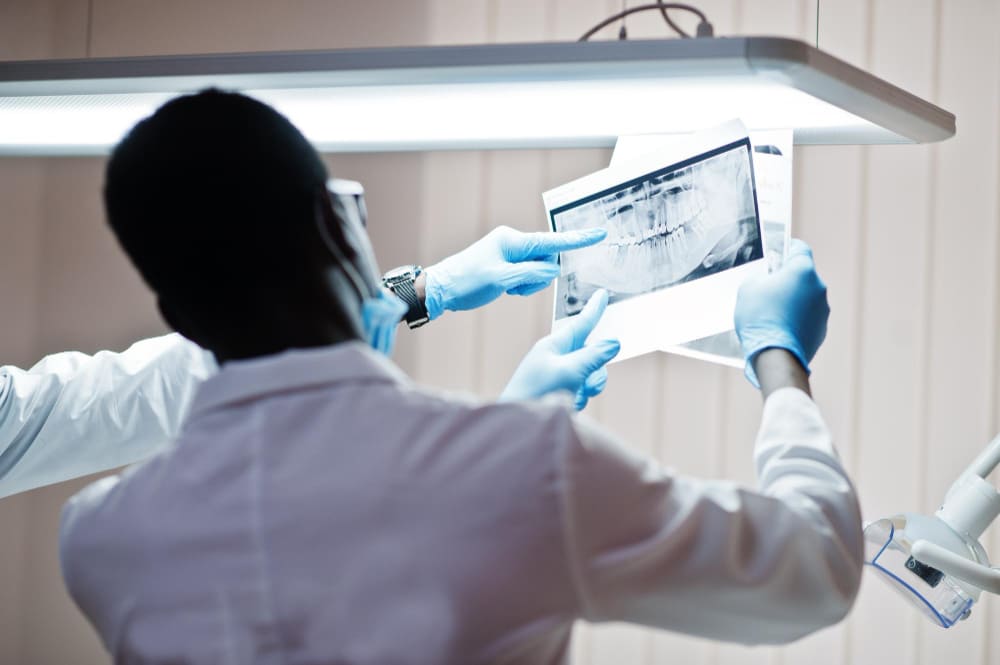
In dental and healthcare practices, technology supports almost every daily operation—from digital X-rays and electronic health record (EHR) management to patient scheduling and payment processing.
While digital tools streamline patient care, they also introduce compliance standards and security risks. Healthcare practices are prime targets for cyberattacks like ransomware, which can halt practice operations and compromise sensitive patient data.
Having a robust, proactive IT strategy is essential to safeguarding patient health information (PHI), avoiding costly regulatory fines, and preventing unexpected practice downtime.
1. Ensure Uncompromised Offsite & Cloud Data Backups
Data loss caused by hardware failures, accidental deletion, or cyber incidents can severely disrupt clinical schedules.
- Automate Daily Backups: Relying on manual USB drives or tape backups introduces human error. Automated daily backups ensure practice data is continuously saved.
- The 3-2-1 Backup Rule: Keep 3 copies of your data across 2 different media types, with 1 secure copy stored offsite or in a HIPAA-compliant cloud server.
- Regular Recovery Testing: A backup is only as good as its ability to restore. Test your system recovery process at least quarterly to verify speed and integrity.
2. Secure Network Segmentation for Guest Wi-Fi
Offering Wi-Fi in waiting areas improves patient satisfaction, but blending guest connections with clinical hardware poses major security risks.
- Isolate Networks via VLANs: Configure isolated Virtual Local Area Networks (VLANs) to completely separate guest Wi-Fi traffic from clinical devices, EHR systems, and administrative computers.
- Hide Internal SSIDs: Keep internal networks non-broadcast or restricted to authorized staff hardware to minimize unauthorized access attempts.